
The Uncommon People: When the Sky Refused to Stop Crying: Written By Rahat Ali
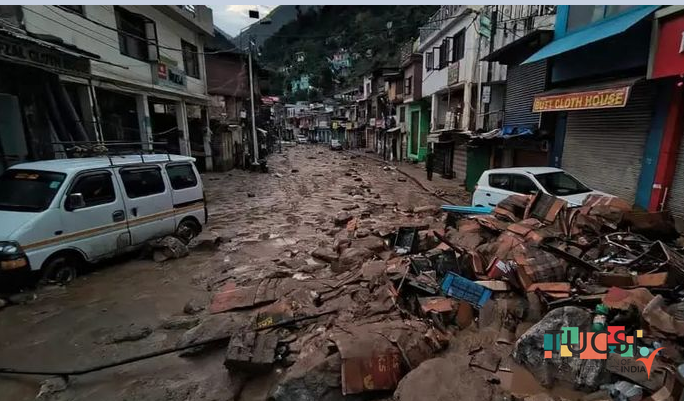
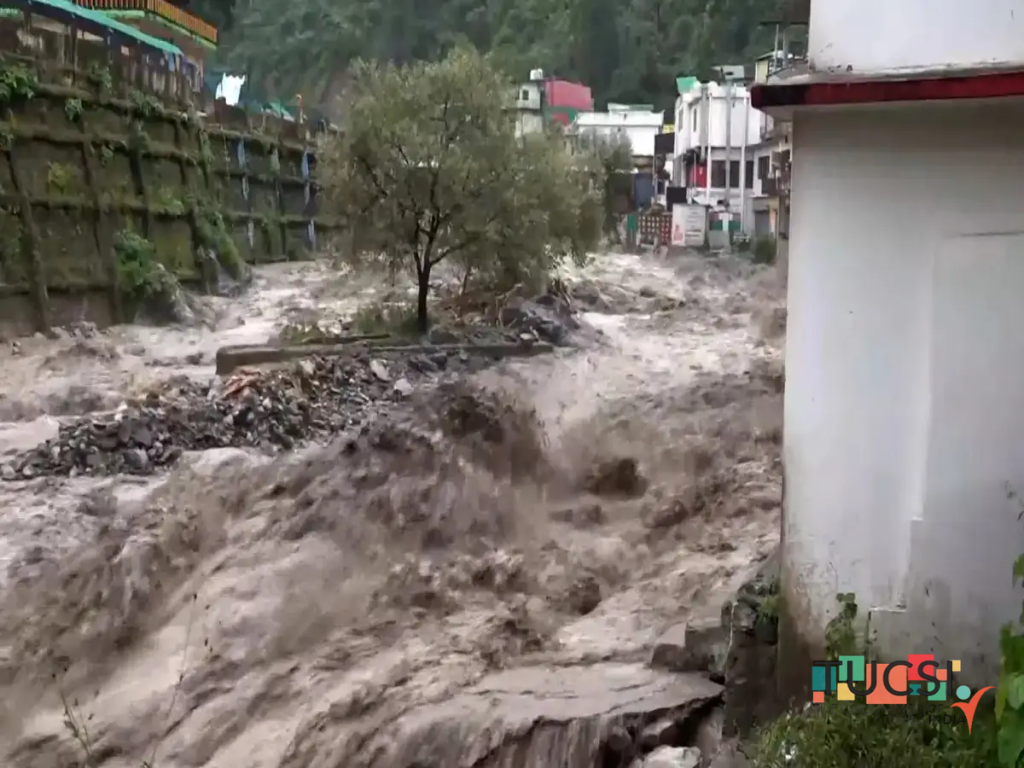
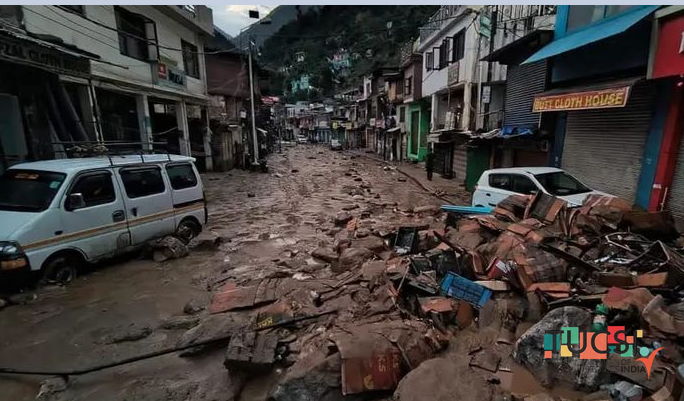
The first drops of rain brought hope. Farmers looked towards the sky with gratitude, children laughed as they danced barefoot on village roads, and the fragrance of wet earth reminded millions that another monsoon had arrived to nourish the land. But within days, those same clouds turned into a force of unimaginable destruction. Across India, relentless rainfall, flash floods, cloudbursts, and landslides transformed ordinary lives into heartbreaking stories of survival. From the hills of Kerala to the busy streets of Mumbai, from the textile city of Surat in Gujarat to the remote mountains of Thathri in Doda, Jammu & Kashmir, and several other parts of the country, thousands of families lost their homes, livelihoods, memories, and, in many cases, their loved ones. Behind every headline and every rescue operation was a human story waiting to be heard—a story of pain, courage, resilience, and hope. These are the stories of India’s uncommon people.
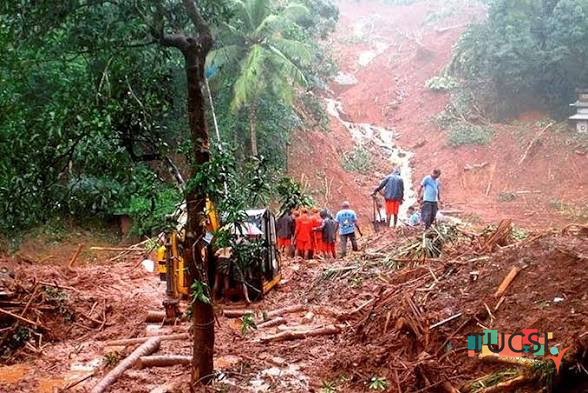
In a quiet village in Kerala lived 68-year-old Mary Joseph, a widow who had spent four decades building a small house with her late husband. Every wall carried memories of birthdays, festivals, family gatherings, and countless evenings spent watching the rain from her front porch. One night, after hours of relentless rainfall, the mountain above her village gave way. A massive landslide buried her home within moments. When rescue workers reached the area the following morning, Mary sat silently on a roadside holding only a small family photograph wrapped inside a plastic bag. Everything else had disappeared beneath mud and stones. With tears in her eyes she whispered, “My home took forty years to build. The mountain took less than a minute to take it away.” Her words echoed the pain of countless families whose lives changed forever without warning.
Hundreds of kilometres away in Surat, Gujarat, Ramesh Patel, a textile factory worker, watched helplessly as floodwater entered his modest one-room house. His wife hurriedly lifted their sleeping daughter onto a wooden table while he tried desperately to save important documents, school certificates, and a few family photographs. The water kept rising until almost everything they owned was destroyed. Looking at his frightened daughter, who innocently asked, “Papa, when will we go home?” Ramesh found himself unable to answer. The building was still standing, yet the place they once called home had become nothing more than four flooded walls. For families like theirs, recovery would not be measured in days but in months and years.
In Mumbai, where life never seems to stop, the monsoon brought the city to a standstill. Roads disappeared beneath water, train services slowed, hospitals struggled with access, and thousands of daily wage workers faced the painful choice between risking their lives or losing the day’s income that fed their families. Among them was Ayesha Shaikh, a hospital attendant and mother of two, who walked through waist-deep floodwater to reach the patients depending on her care. When someone asked why she had taken such a risk, she simply replied, “My children asked me to stay home, but somewhere another mother was waiting for medicine.” Her courage reflected the quiet heroism of countless frontline workers who continued serving others despite facing the same dangers themselves.
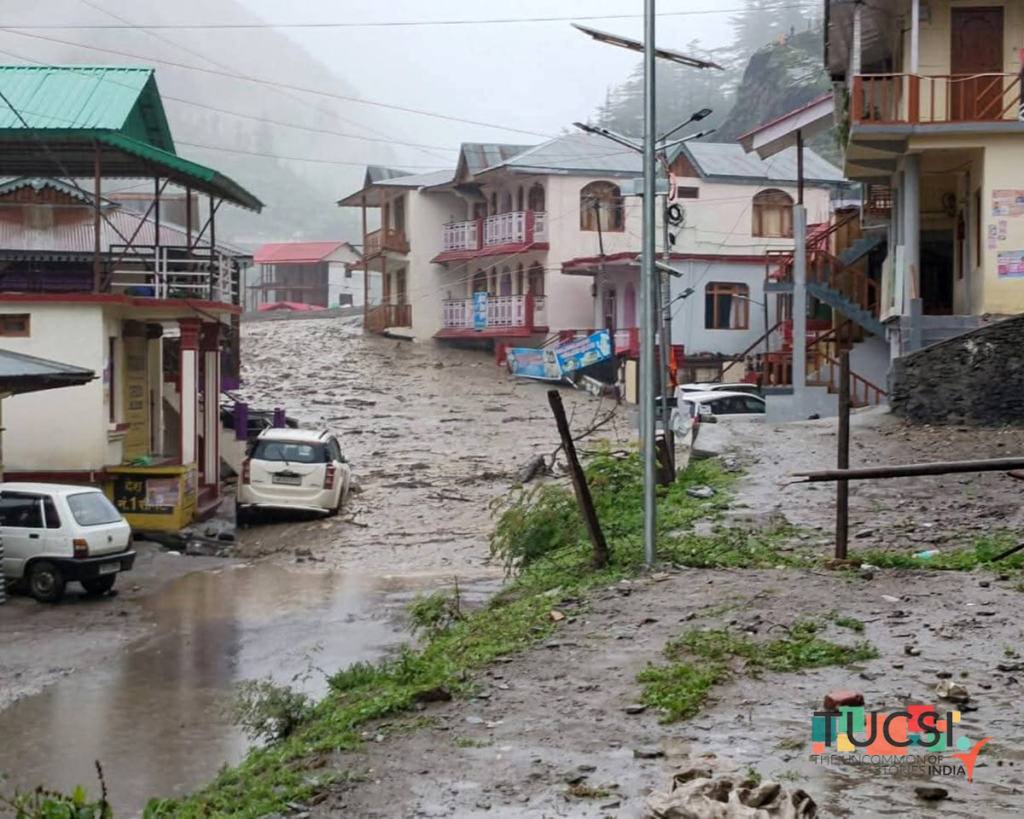
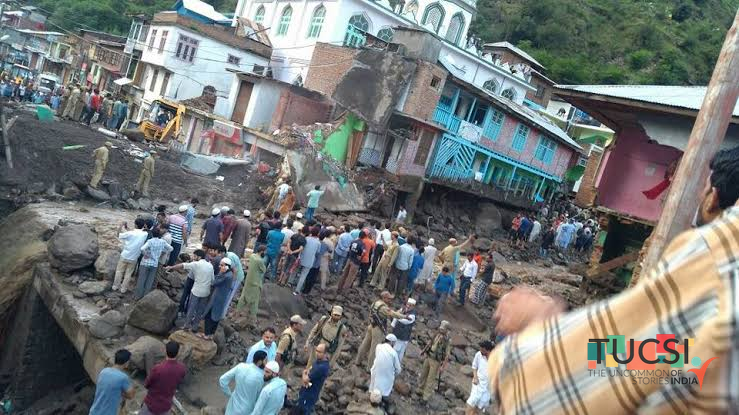
Far away in the mountainous region of Thathri in Doda district, Jammu & Kashmir, the rains arrived with terrifying force. A sudden cloudburst triggered landslides that buried roads, cut off villages, and left families stranded without electricity or communication. Abdul Rahman, a government schoolteacher, stood before the broken road leading to his village and wondered how he would explain the tragedy to his students. “Buildings can be rebuilt,” he said, “but rebuilding the confidence of children who have watched nature destroy everything they believed was safe is much harder.” His concern was not for walls or classrooms but for the emotional scars carried by the next generation.
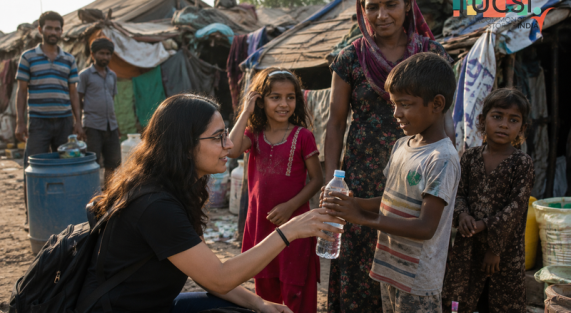
These stories are not isolated incidents. Across several parts of India, countless families continue to face the devastating consequences of extreme weather. Somewhere an elderly couple waits for clean drinking water. Somewhere a mother searches for medicines for her sick child. Somewhere a farmer watches months of hard work disappear beneath muddy floodwaters. Somewhere a student mourns the loss of schoolbooks that represented dreams of a better future. Somewhere rescue workers continue searching through debris while volunteers carry food, blankets, and hope into communities that have lost almost everything. The faces may be different, the languages may change, but the pain remains the same.
Yet even in the darkest moments, humanity continues to shine. Local communities open their homes to strangers, volunteers risk their own safety to deliver relief materials, doctors treat patients without rest, young people form human chains to rescue those trapped by floodwaters, and people from every religion, language, caste, and background stand together to help complete strangers. Natural disasters may destroy homes, but they also reveal the extraordinary compassion that exists within ordinary people. They remind us that kindness has no boundaries and humanity has no religion.
The cameras will eventually leave, newspapers will print new headlines, and social media will move on to other stories. But thousands of families will still be rebuilding their lives one day at a time. Recovery does not end when the floodwater recedes. It begins when society refuses to forget those who are still suffering. Every meal distributed, every blanket donated, every medicine delivered, every temporary shelter built, and every helping hand extended becomes a symbol of hope for someone who believes they have been forgotten.
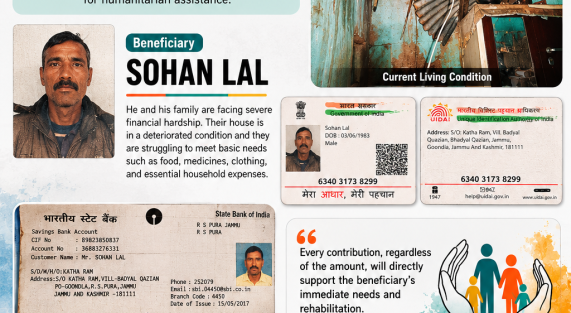
At TUCSI Foundation, we believe that true nation-building begins with compassion. Our mission is to stand beside the uncommon people—the families whose stories rarely make headlines but whose courage deserves recognition. We appeal to every citizen, every business, every institution, every student, and every compassionate individual to come forward and support relief and rehabilitation efforts. Your contribution, no matter how small, can help restore dignity, rebuild homes, provide emergency supplies, and remind affected families that they are not alone.
“Disasters may destroy homes, but they should never destroy hope. Hope survives when compassionate people choose to stand together.”
Support relief efforts through TUCSI Care Cart:
https://tucsi.org/product/tucsi-care-cart/
Make a secure contribution here:
https://pages.razorpay.com/stores/st_S6CiRBb1Uqce4d
Tagline: When Disaster Strikes, Humanity Must Rise. Together, We Are Hope.

Add comment