
Written By Reefat Farooq (Lovely Professional University)
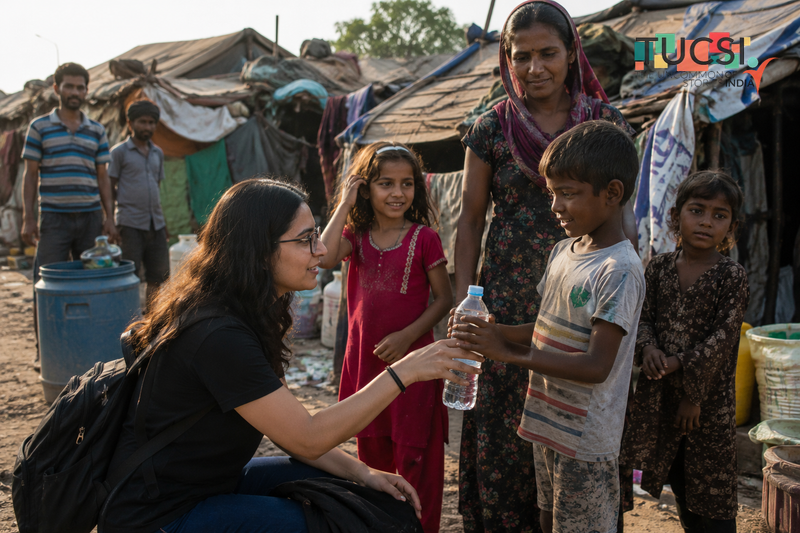
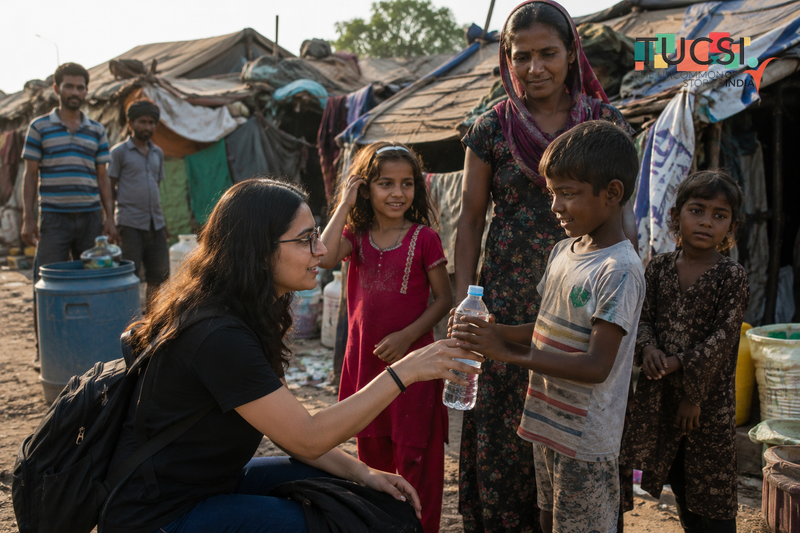
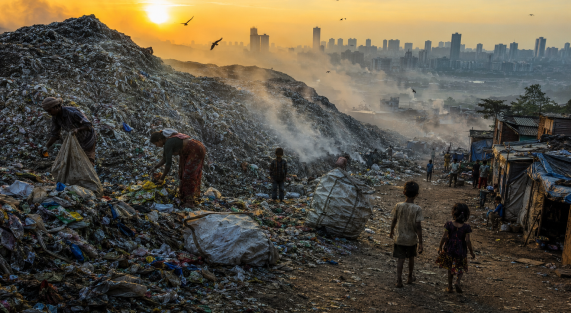
During my internship with the TUCSI Foundation, I had the opportunity to conduct field research in slum settlements across Jammu City during one of the hottest periods of the summer. My work focused on understanding the intersection of urban poverty, public health, and climate change-induced heat stress. What I expected to be a research assignment became one of the most eye-opening and transformative experiences of my life.In these communities, I saw how climate change is not just an environmental issue—it is a human crisis. Families were living in small one-room shelters made of tin sheets, plastic, and tarpaulin, where the indoor heat often became more unbearable than the temperature outside. Large families shared limited space, poor ventilation, unreliable electricity, and inadequate access to clean water and sanitation. For them, rising temperatures meant much more than discomfort; it meant dehydration, illness, loss of income, and constant physical stress.I met mothers who woke before sunrise to complete daily chores before the heat became intolerable. I spoke with daily wage earners whose working hours had been cut because the afternoon sun had become too dangerous to bear. Some families even borrowed money to buy fans, only to find that frequent power outages made them ineffective. I also observed how extreme heat increased health risks such as skin infections, stomach illnesses, exhaustion, and dehydration, especially among children and the elderly.At the same time, this experience showed me the resilience of these communities. Despite so many hardships, people continued to support their families with dignity and strength. Alongside my field research, we distributed clean drinking water, food, and cotton clothing to help reduce the immediate burden of the heatwave. These efforts may have been small, but they reminded me that meaningful work should combine both understanding and action.This internship changed my perspective completely. It taught me that the effects of climate change are deeply unequal and that the people with the fewest resources often suffer the most. It also showed me that public health, poverty, and environmental change cannot be addressed separately. Real progress requires inclusive policies, climate-resilient housing, better sanitation, access to water, and protection for vulnerable workers.More than anything, this journey taught me empathy, responsibility, and the importance of using research to amplify voices that are often ignored. I share this story in the hope that it encourages greater awareness and action toward building cities that are not only developed but also just, safe, and humane for everyone.
By Reefat Farooq
Lovely Professional University

Add comment